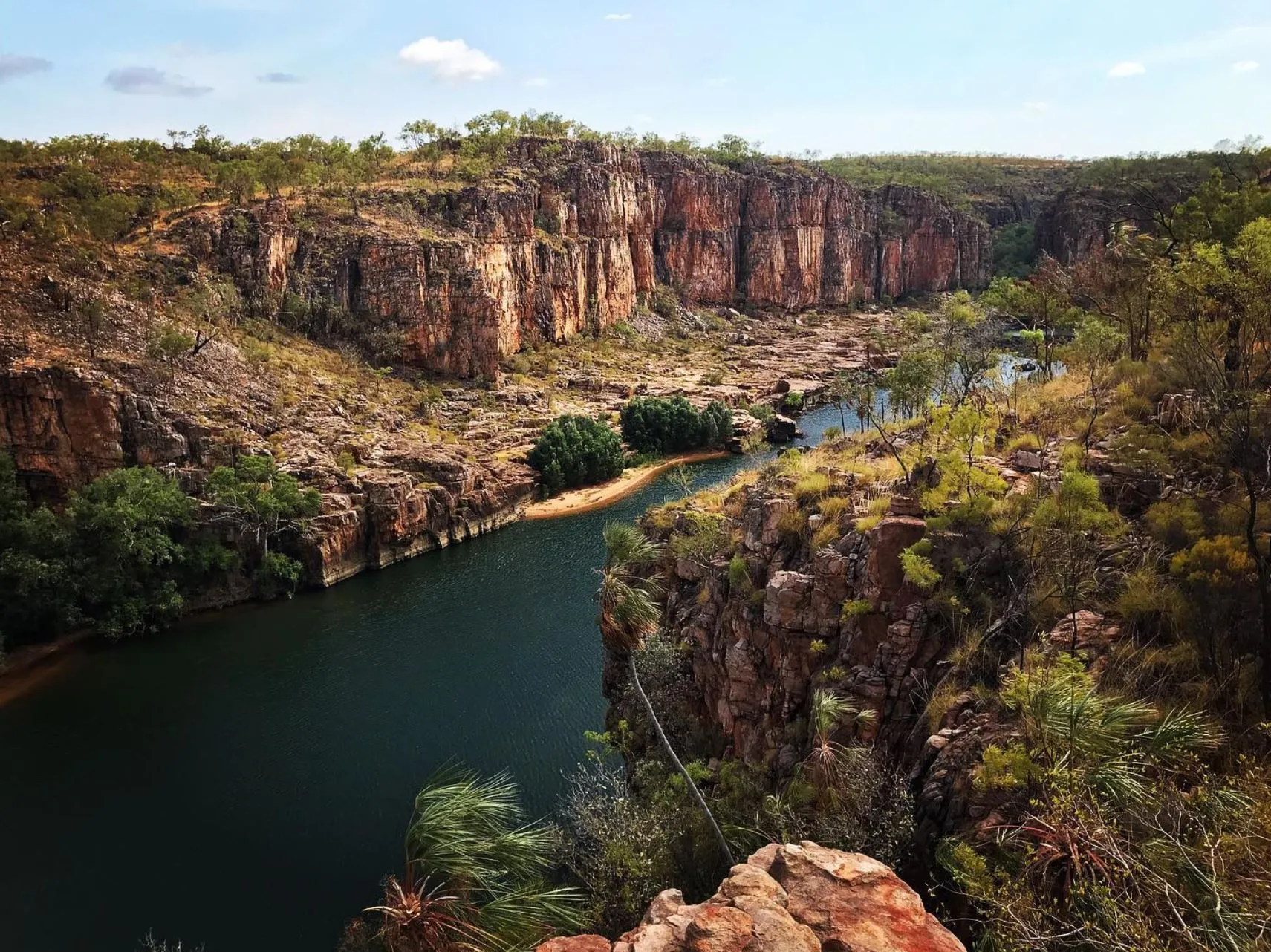
Katherine Gorge in the heart of Nitmiluk National Park in the Northern Territory of Australia is a natural wonder that attracts thousands of visitors every year. Spanning over 2,920 square kilometres, this massive gorge system has amazing views and so much cultural, geological and ecological experiences. One of the most interesting things about this natural wonder is the type of rock that forms its cliffs and landscapes. Booking a Katherine Gorge tour is the best way to appreciate the area’s geological and cultural significance.
Contents
The Rock That Shapes the Gorge
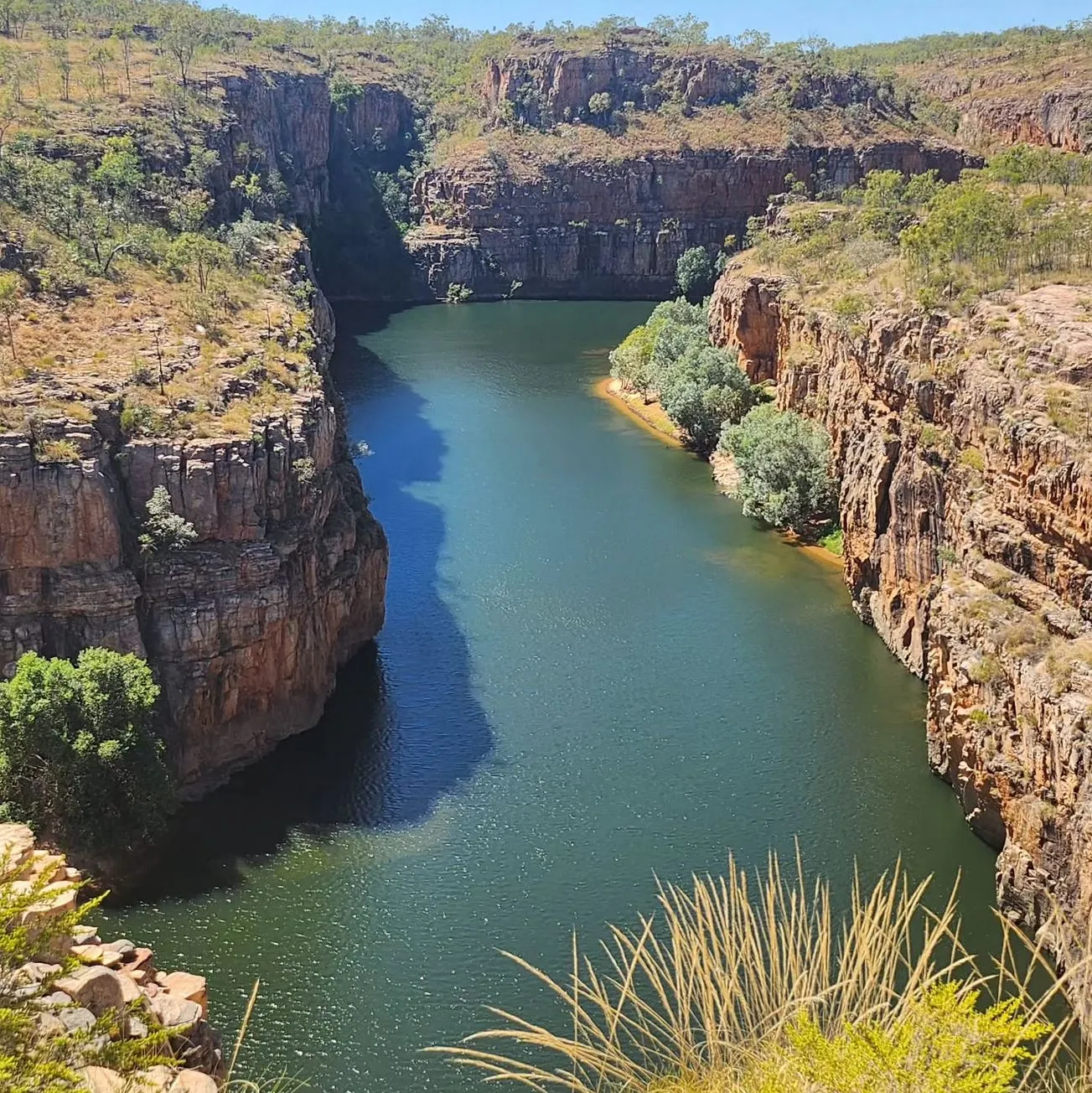
Katherine Gorge is mostly made up of ancient sandstone, specifically Precambrian quartz sandstone. This type of rock was formed 1.65 billion years ago and is part of the Kombolgie Formation. These sandstones are rich in quartz making them very resistant to erosion. Over millions of years wind and water erosion have helped the Katherine River carve its way through these resistant sandstone layers to create the deep canyon, sheer rock walls and hidden rock pools we see today.
The region is part of the broader sandstone country of the Northern Territory which is famous for its rock formations and complex geological history. These landforms include tectonic landforms and coastal landforms that have been shaped over millions of years.
Geological and Cultural History
The formation of Katherine Gorge is a testament to the power of nature. Originally laid down as sandy sediments in a shallow sea, the layers were compacted and cemented into hard rock over time. Tectonic activity uplifted the region exposing it to the surface where the Katherine River began its slow but persistent work of erosion.
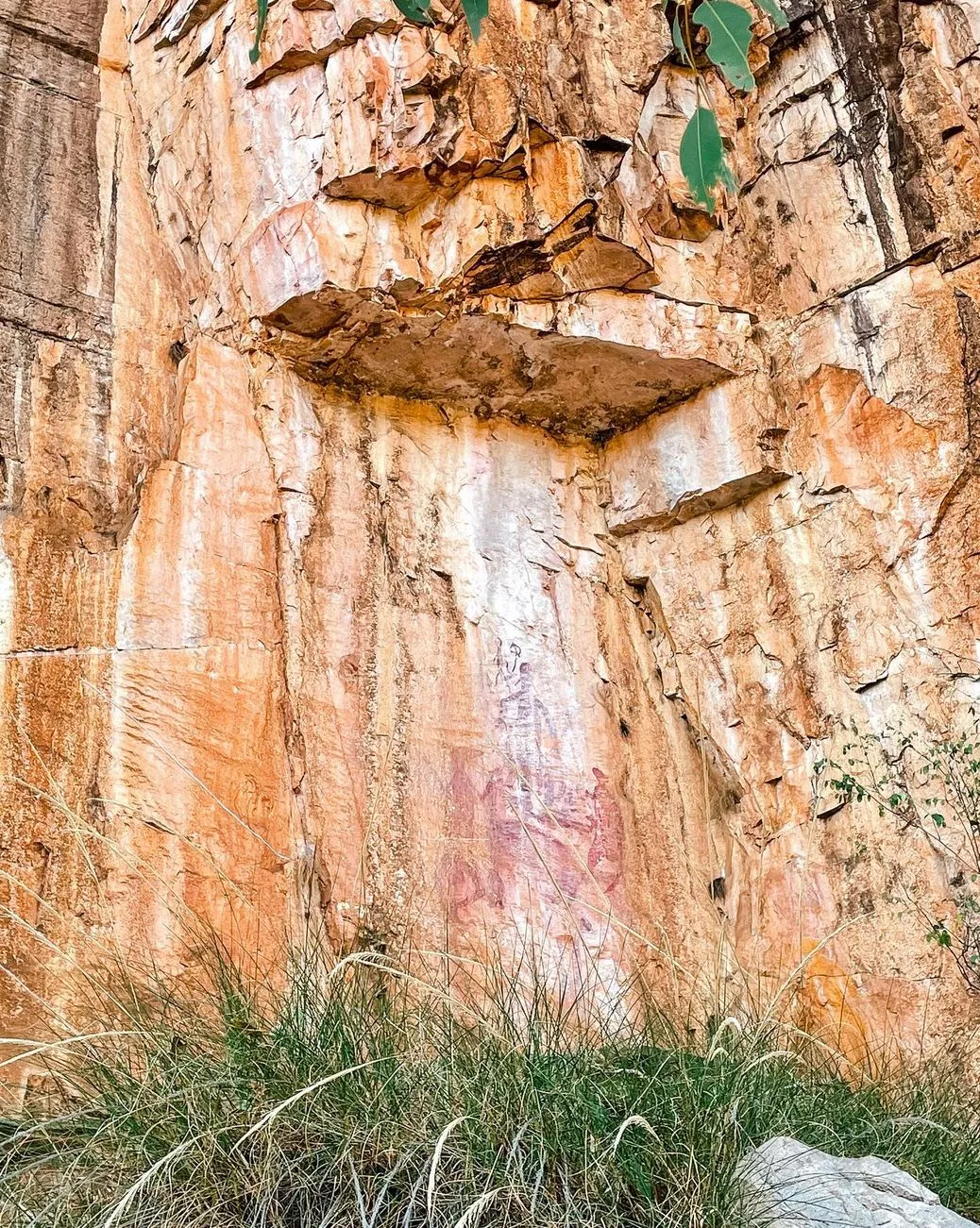
The sandstone’s red colour is due to iron oxide in the rock, giving the gorge its outback look, especially during sunrise and sunset when the cliffs glow. The rock types here support unique plant life and plant species which in turn attract a wide range of animals including freshwater crocodiles, saltwater crocodiles and countless bird species, especially colourful birdlife like kingfishers, kites and rainbow bee-eaters.Katherine Gorge has deep cultural significance to the traditional owners, the Jawoyn people. Visitors can learn about their culture and spiritual culture by visiting the culture centre, interpretive signs along walking trails and guided tours. A Katherine Gorge tours with a local guide will often stop at rock art galleries where you can see ancient Aboriginal art that links past to present.
Wet Season
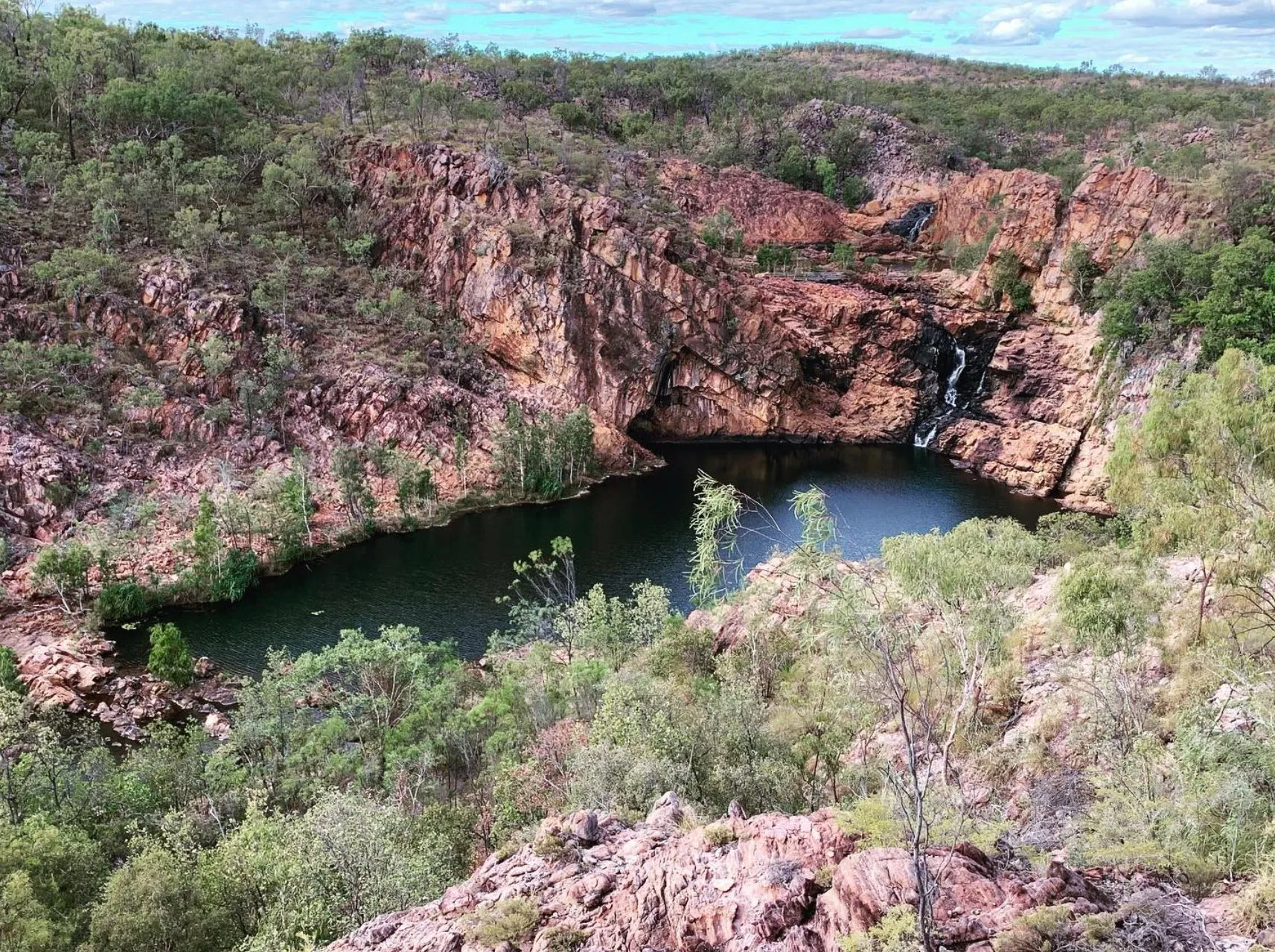
During the wet season (November to April) the water levels rise dramatically and the landscape changes. The gorge becomes a series of natural pools and waterfalls and is perfect for scenic flights, helicopter flights and boat cruises. Swimming may be restricted due to safety concerns and crocodile presence but the high water allows river cruises to access more of the gorge. You’ll see plenty of water especially after heavy rain with waterfalls cascading down the rock faces.
This is also an important time for the environment and breeding cycles for many species. The wet season is an optional experience for those who want adventure, amazing views, dramatic skies and to feel the power of the land. A Katherine Gorge tours from Darwin at this time gives you a unique perspective of the gorge in its most vibrant state.
Best ways to see the Rock Formations
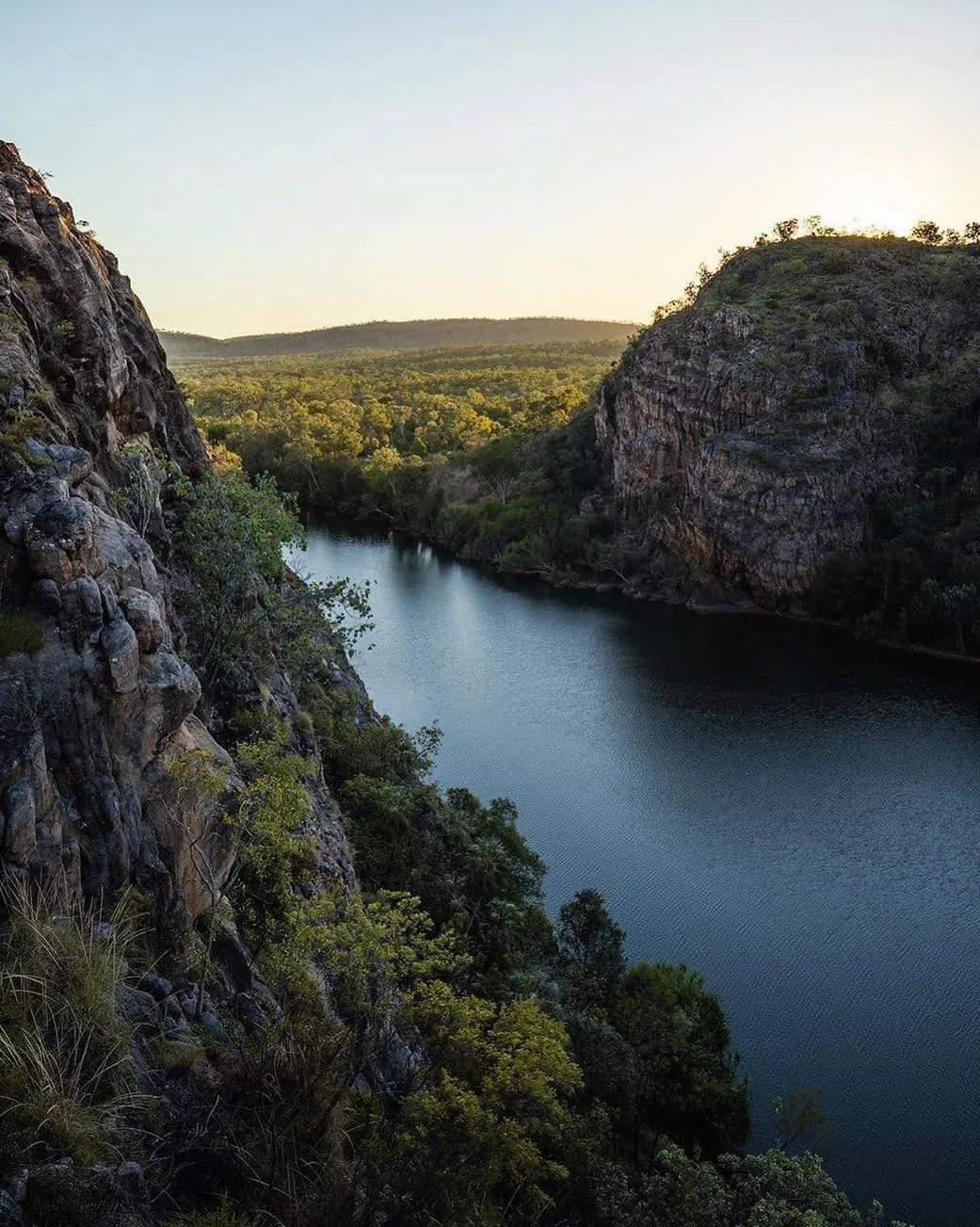
Katherine Gorge has tours and activities to suit all levels of fitness and interest. Here are some of the best ways to see the rock formations and cultural heritage:
- Guided boat cruises: Get up close to the sandstone cliffs and learn about the geology and indigenous culture.
- Hiking and walking trails: Easy to moderate level trails with panoramic and spectacular views of the gorge, rock pools and sandstone plateau.
- Helicopter flights: For a bird’s eye view of the gorge, this optional experience shows you the scale of the landscape and hidden rock pools and cliffs.
- Scenic flight: Similar to helicopter tours but often covers a larger area including scenic spots like thermal springs and the nearby Yellow Waters.
- Swimming spots: In designated safe zones you can take a dip in the crystal clear rock pools fed by the river or springs.
Whether by land, air or water a Katherine Gorge tour gets you to some of the most beautiful landscapes in the Northern Territory.
A Cultural and Natural Treasure
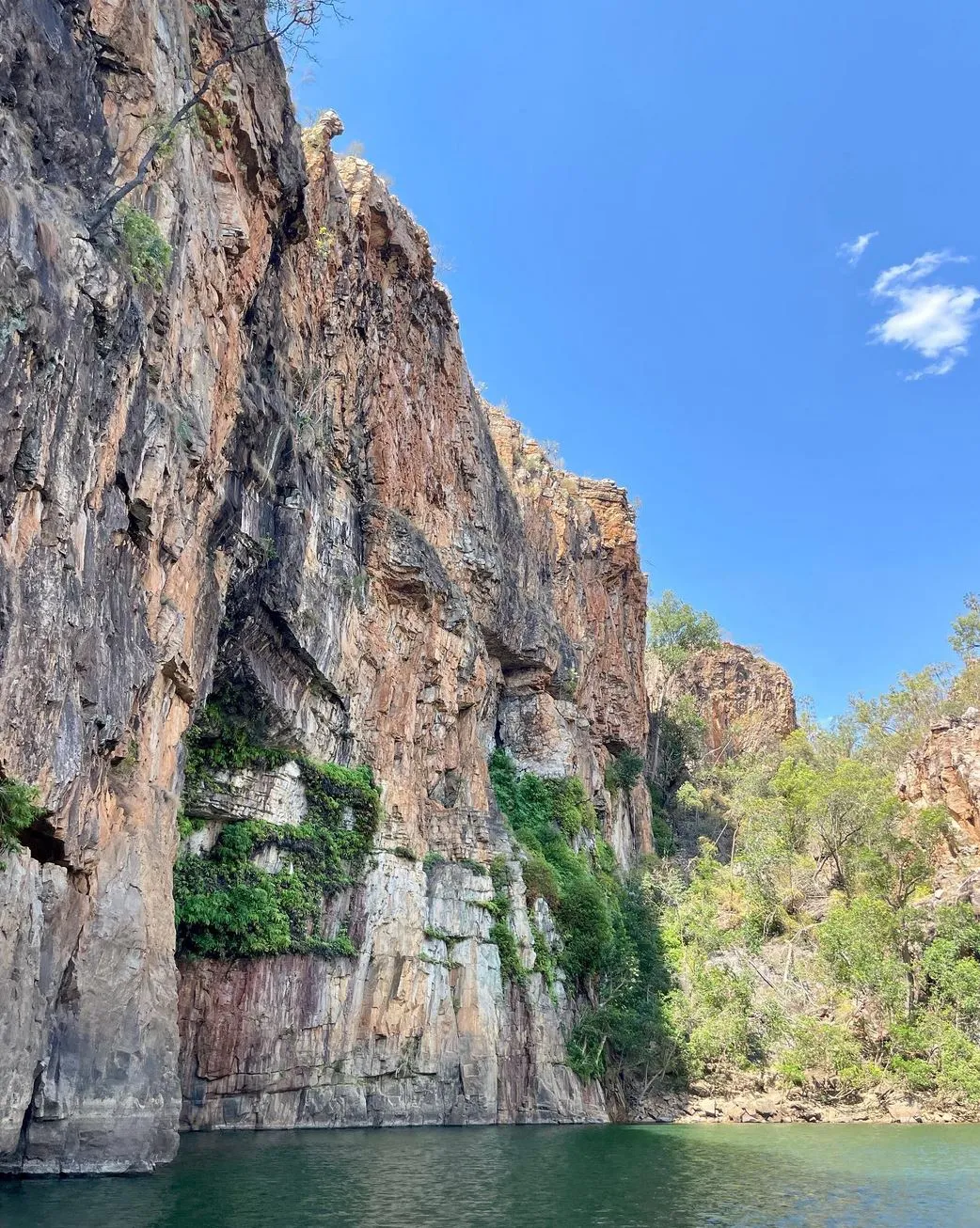
Katherine Gorge is more than just a great example of Australian rock types and natural processes – it’s a living landscape that tells the story of a people and a place. From air raids in World War II that touched the area to the ancient stories told through Aboriginal rock art, this is a true blend of history, nature and culture. Whatever you are an adventurer, nature lover or cultural explorer, a Katherine tours from Darwin will give you an experience you will never forget with natural beauty, geological wonders and a connection to the land’s traditional heritage. Book a Katherine Gorge tour to make sure you don’t miss the best and secret spots.
FAQ
What kind of rock is Katherine Gorge?
Katherine Gorge is made up of Precambrian quartz sandstone from the ancient Kombolgie Formation.
How old is the rock in Katherine Gorge?
The sandstone in Katherine Gorge is over 1.65 billion years old.
Why is the sandstone red?
The red colour is from iron oxide (rust) in the sandstone.
Can you visit Katherine Gorge in the wet season?
Yes, the wet season brings high water levels and offers unique experiences like river cruises, scenic flights and waterfalls, although some trails may be closed.
What wildlife can you see in and around Katherine Gorge?
Freshwater and saltwater crocodiles, many bird species including colourful birds, and diverse plant life of the sandstone country.